
Alternatives to paper delivery notes for transport teams
Paper delivery notes can work at very low volumes, but they often become a bottleneck as job count, driver count, and customer expectations increase.
Transport teams looking for alternatives to paper delivery notes usually want three things: fewer missing records, faster customer communication, and less office time spent reconstructing proof.
Why paper workflows break at scale
Common problems include:
- Incomplete or unreadable notes
- Photos and signatures stored separately from job records
- Slow retrieval when customers request evidence
- Extra admin effort to compile reports
- Inconsistent process across drivers
These issues increase dispute handling time and reduce confidence in delivery documentation.
Digital alternatives worth evaluating
When moving away from paper, compare options that can deliver:
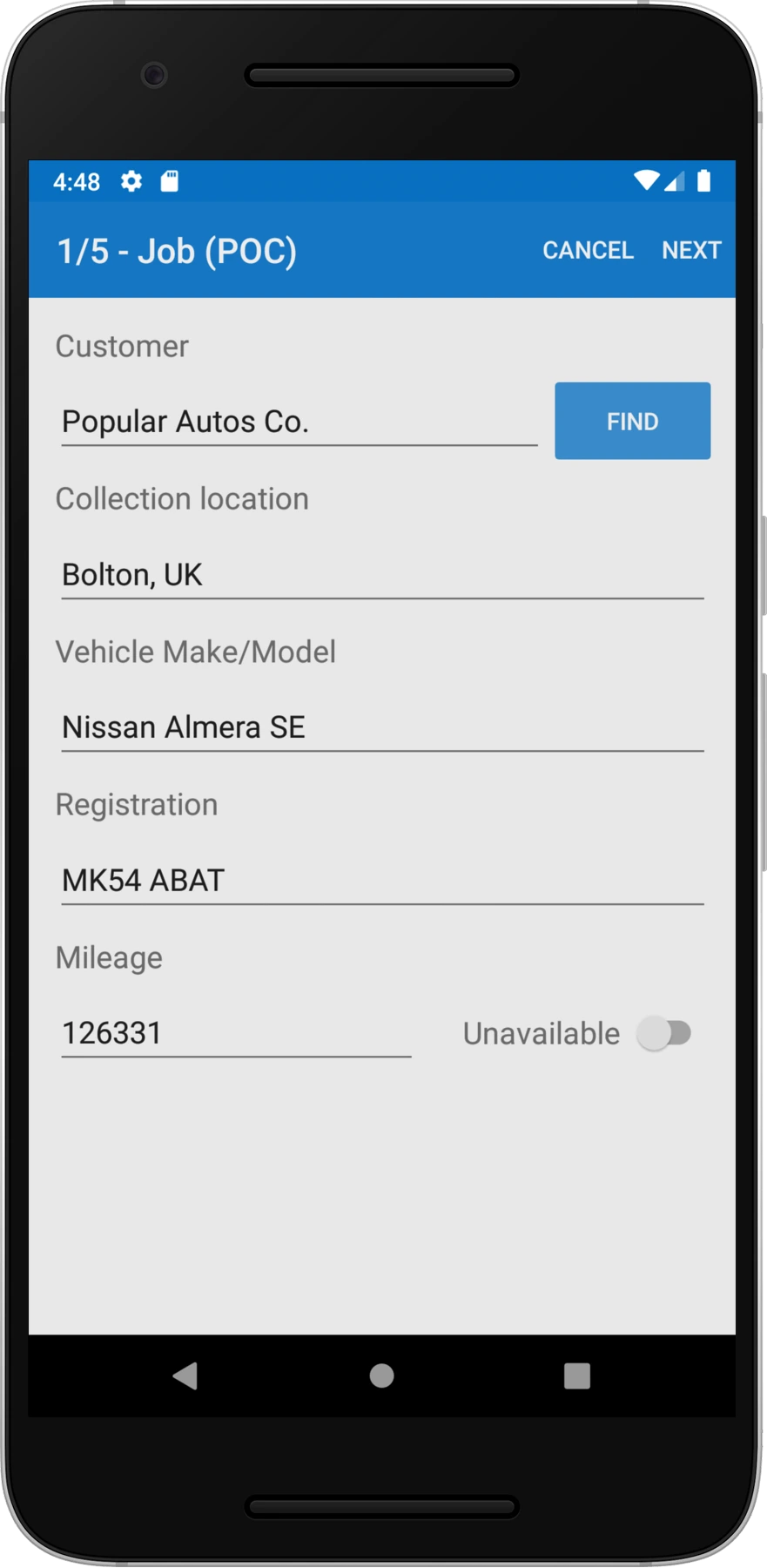
- Structured in-app proof capture
- Signature and photo workflow in one place
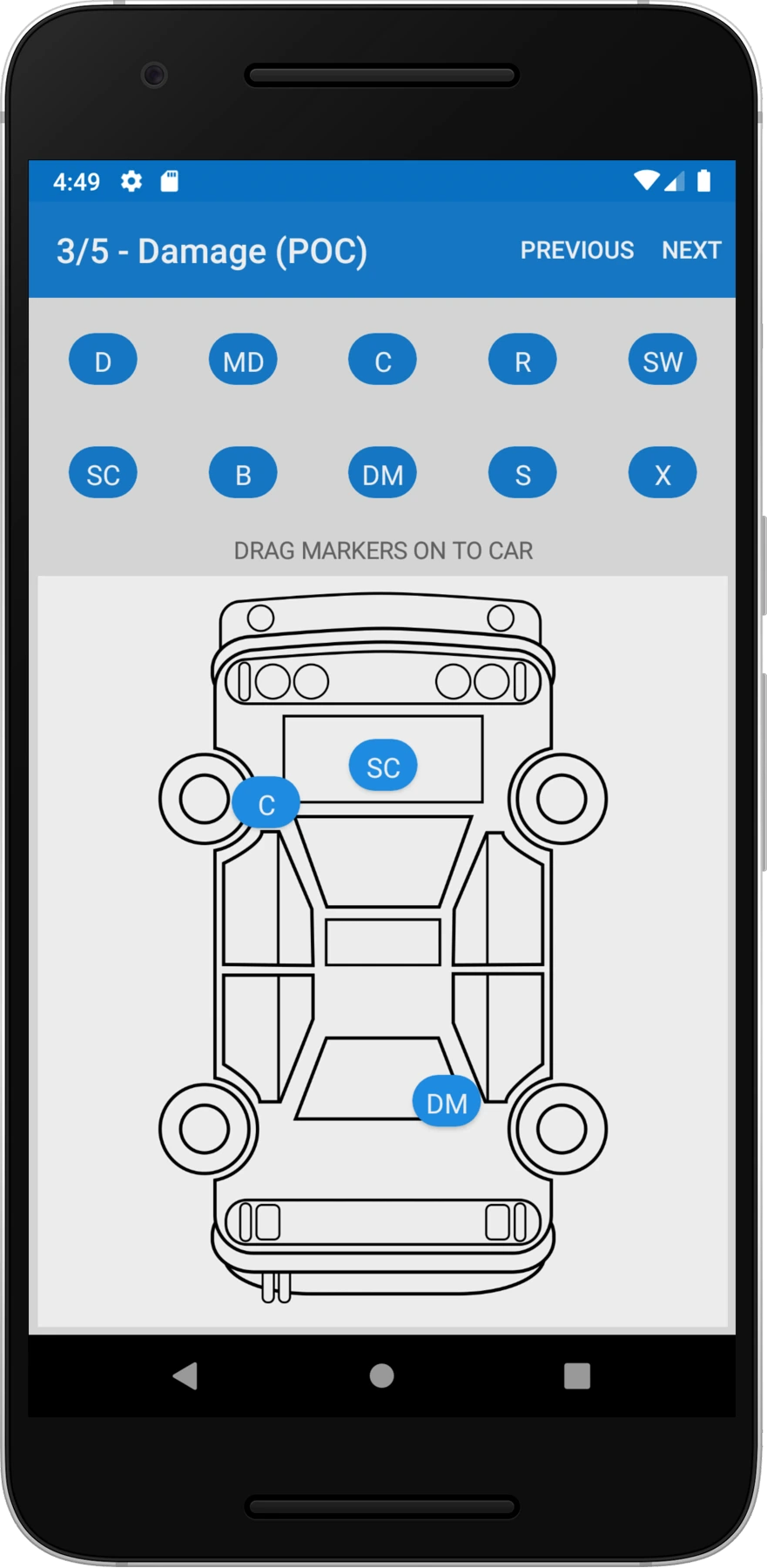
- Condition and damage documentation linked to job records
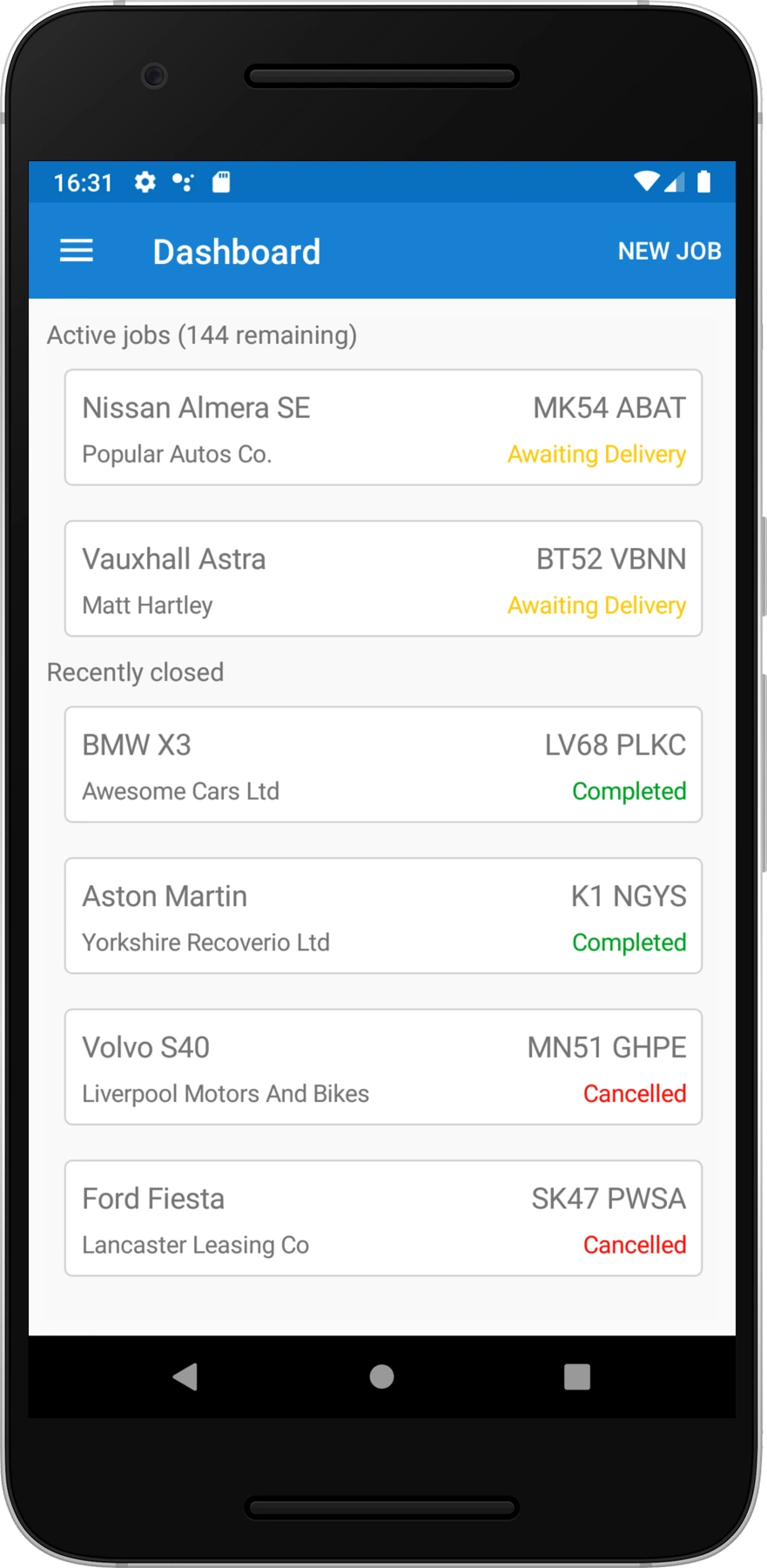
- Searchable history for follow-up and compliance needs
- Faster report generation for customer updates
The best alternative is the one your team can use consistently under real delivery conditions.
What a transition plan should include
Successful migration from paper usually depends on:
- Defining a standard handover checklist for all drivers
- Piloting digital workflow on a subset of routes
- Measuring report turnaround before and after rollout
- Training drivers on evidence quality standards
- Reviewing dispute handling time after adoption
A phased approach reduces rollout risk and improves long-term adoption.
How Pocpod replaces paper-based processes
Pocpod gives transport operators a digital workflow for collection and delivery proof, designed to reduce manual reconciliation after jobs complete.
Teams typically use Pocpod to:
- Capture signatures and photos in-app
- Attach photos to individual damage records
- Keep all evidence linked to each job
- Retrieve records quickly when customers ask for proof
- Send customer-ready reports faster than manual collation
This helps shift effort from post-job admin to higher-value operational work.
Choosing the right digital alternative
Before choosing a platform, confirm:
- Drivers can use it at normal handover pace
- Office users can retrieve evidence quickly
- Reporting flow is clearer than your current process
- The process remains consistent across all drivers
If those checks pass, you are likely moving to a stronger, more scalable alternative than paper delivery notes.
Why teams often try Pocpod before other platforms
Some digital alternatives still require sales calls or demo booking before teams can evaluate real fit.
Pocpod is often used as a first practical benchmark because:
- Pricing is visible
- Trial access is immediate
- Teams can run real jobs quickly and test the full evidence workflow
That helps operators validate outcomes fast and make better-informed comparison decisions.
For related workflows, see proof of delivery software, vehicle transport software, and delivery management app.