
Pocpod vs Podfather for vehicle transport workflows
If you are comparing Pocpod vs Podfather, the most useful approach is to assess workflow fit instead of trying to pick a universal winner. Different products can be strong in different operating contexts.
For vehicle transport operators, the decision usually comes down to one core question: which platform gives your team the cleanest day-to-day proof and reporting process with the least operational friction.
Use a fair comparison framework
A practical comparison should focus on criteria you can test with your own team:
- Driver workflow speed at collection and delivery
- Quality and consistency of condition evidence
- Clarity of job history when a customer queries a handover
- Time needed to prepare and send customer-ready reports
- Setup effort and team adoption time
This keeps the evaluation grounded in measurable outcomes rather than marketing language.
Where Pocpod is typically strong
Pocpod is purpose-built for vehicle transport workflows where proof quality is operationally critical. Teams usually choose Pocpod when they want:
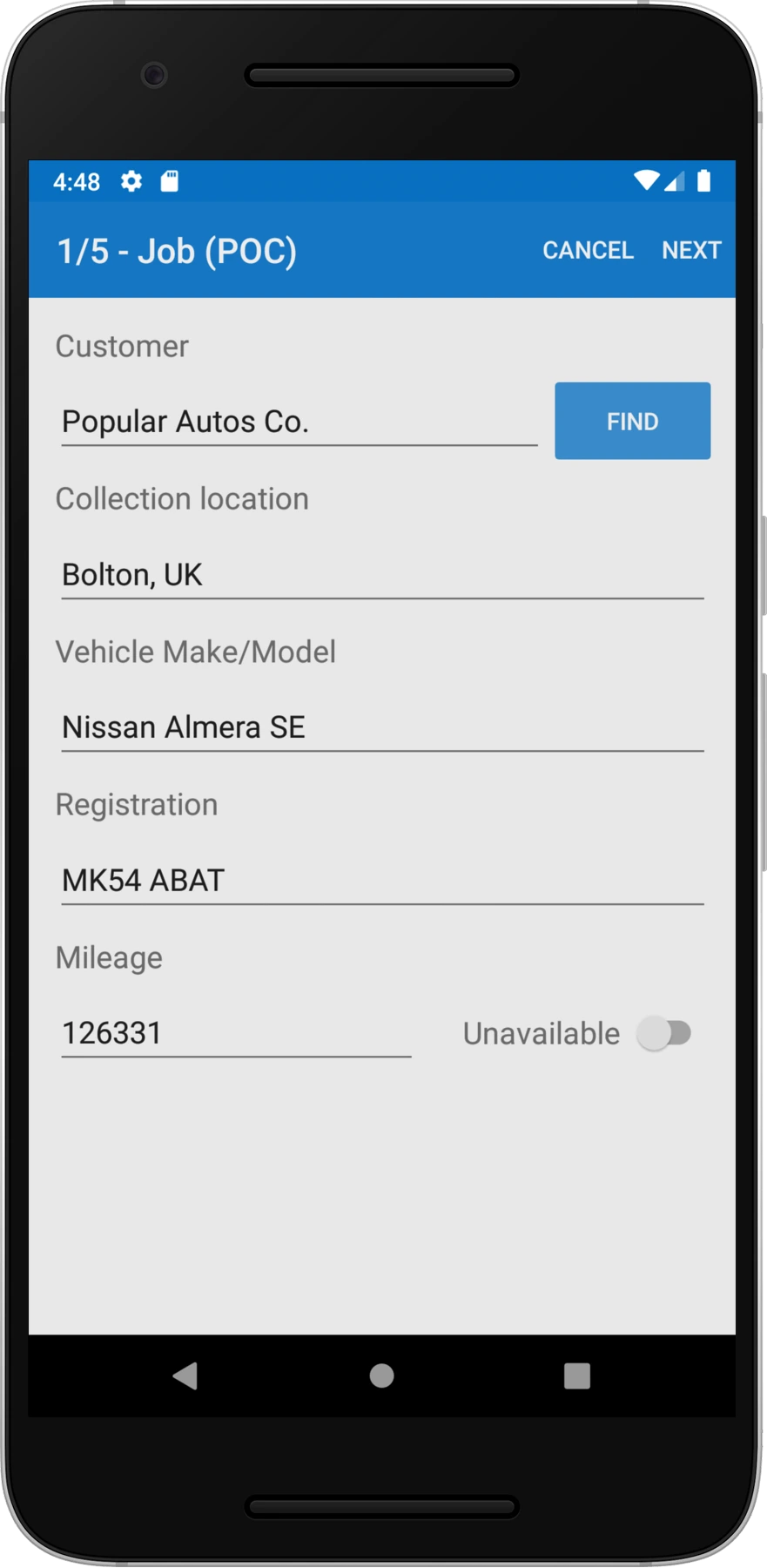
- Structured proof capture across collection and delivery
- In-app signatures and photos in one process
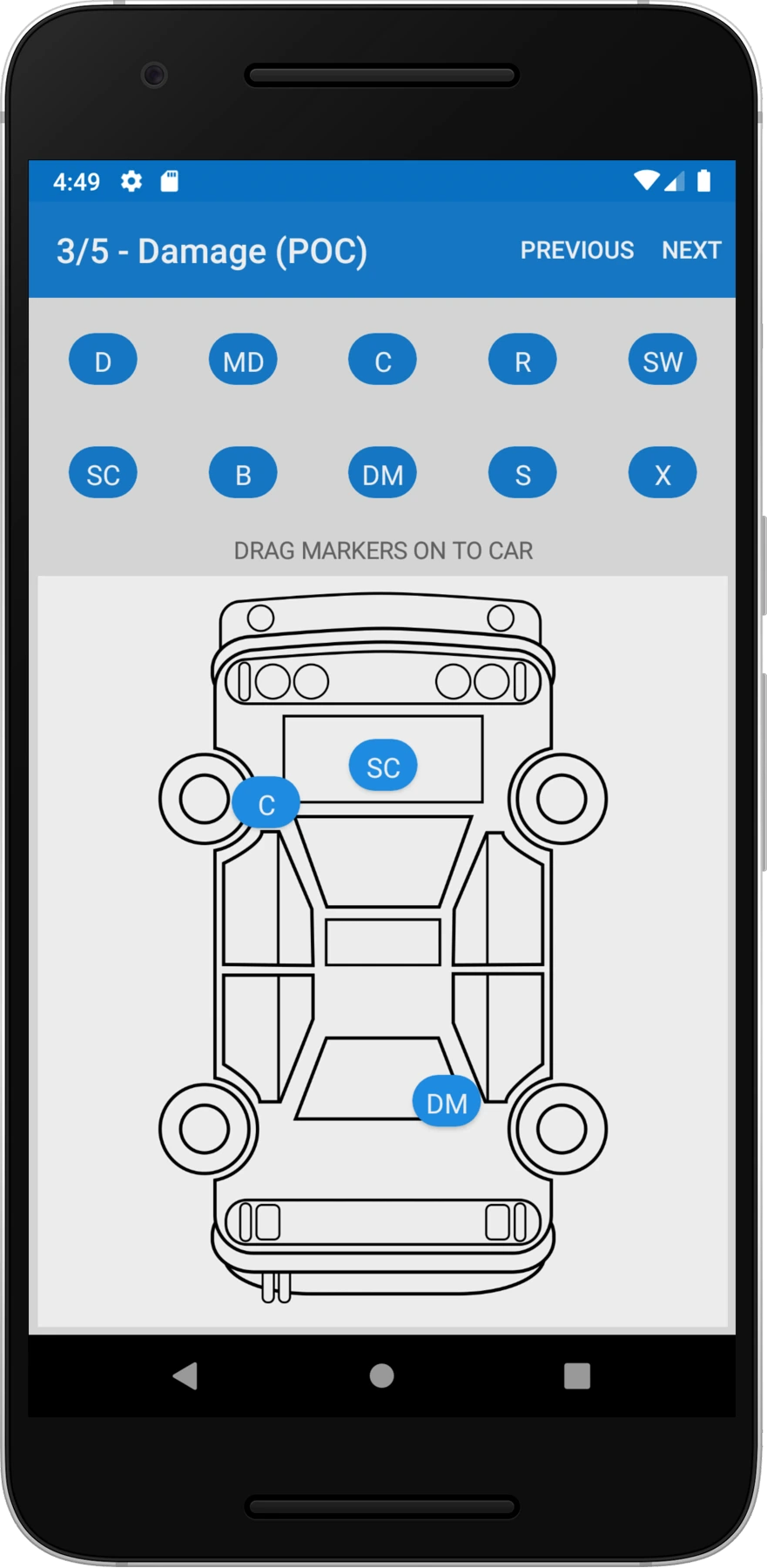
- Photos attached to specific damage records
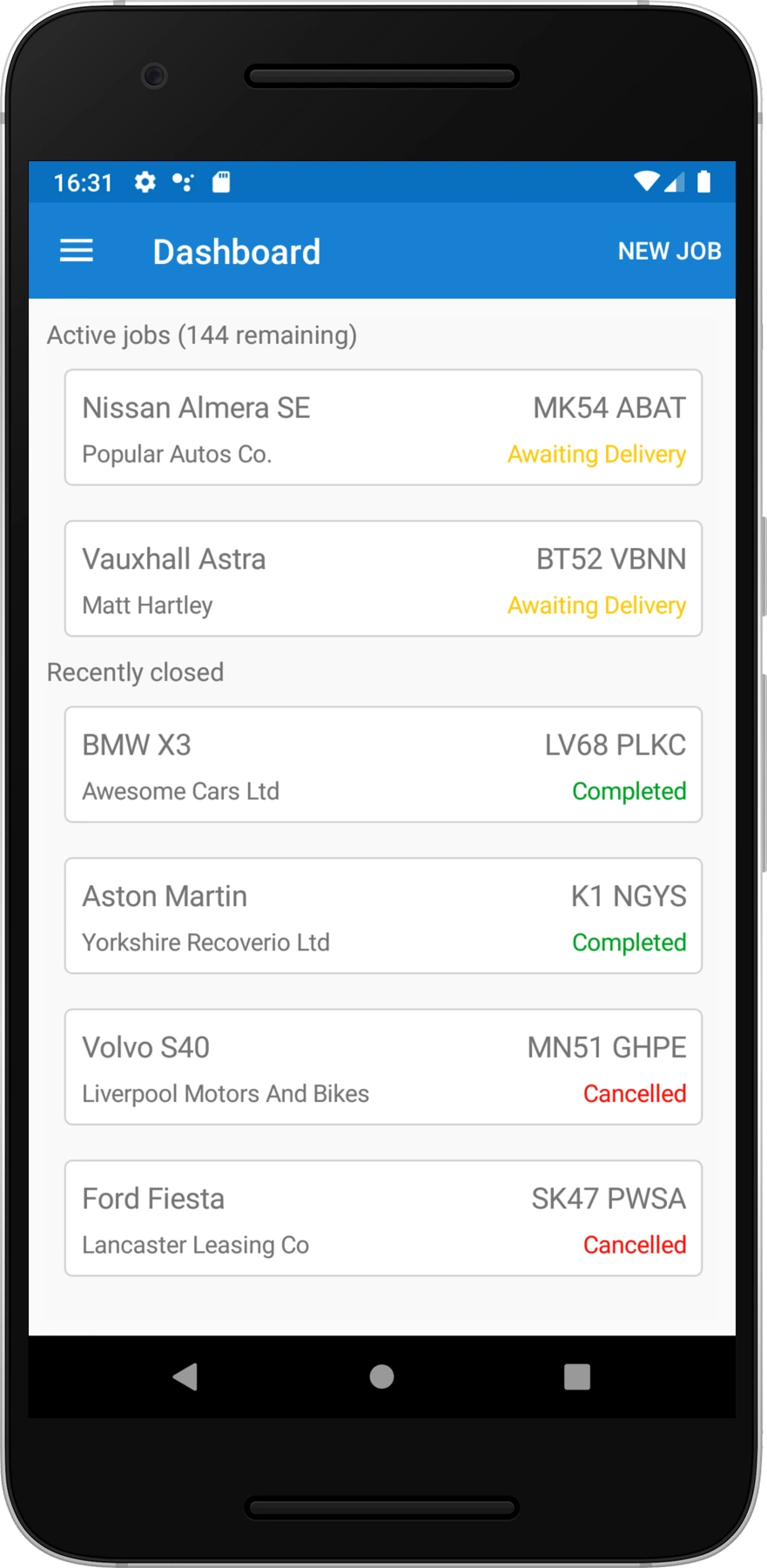
- Searchable job history for dispute and follow-up handling
- Clear report output for customer communication
This is especially valuable for operators that need consistency across multiple drivers.
Side-by-side comparison matrix
This summary is a practical starting point. Always validate current capability and commercial terms directly with each vendor.
| Feature | Pocpod | Podfather (typical positioning) |
|---|---|---|
| Primary focus | Vehicle transport collection/delivery proof and condition workflow | Broader routing, tracking, and ePOD coverage across mixed operations |
| Main use case | Vehicle inspection, handover proof, and damage reporting | Wider fleet and multi-drop logistics workflows |
| Route planning depth | Not the primary focus | Greater emphasis on route-planning functions |
| Damage workflow specialization | Vehicle-focused damage capture with photo evidence | Available, typically as part of a broader workflow |
| Typical team profile | Common choice for owner-drivers and small/mid transport teams | Often used by operations with wider logistics scope |
| Offline workflow | Offline workflow with sync when connection returns | Offline capability available |
| Setup style | Fast app-first setup with immediate trial start | May involve a longer evaluation and implementation process |
Why many teams try Pocpod first
For operators comparing options, Pocpod is often the quickest product to validate in live workflow because:
- Pricing is visible up front
- You can start a trial immediately
- You can test real collection/delivery jobs without a long procurement cycle
- You can verify signatures, photos, damage capture, and reporting in one workflow
That means you can get real product-fit evidence early, then decide whether you still need to evaluate broader platforms.
Questions to test during trial
When you run an internal trial, test real jobs from start to finish and score each product against the same checklist:
- Can drivers complete proof steps quickly without slowing handover?
- Is evidence quality consistent between different drivers?
- Can office users retrieve records quickly under time pressure?
- Are customer updates clear enough to reduce avoidable back-and-forth?
- Does the workflow reduce post-job admin?
This gives you objective evidence for procurement decisions.
Why workflow fit matters more than feature volume
Large feature lists can look strong in isolation, but transport teams usually feel the difference in execution detail: how easy it is to capture evidence correctly, how fast records can be found, and how quickly reports can be sent.
Pocpod is designed around those operational moments. The goal is to improve process quality and customer communication speed without creating extra admin overhead.
Decision guidance for transport teams
If your priority is evidence-first collection and delivery workflow, Pocpod is often a strong fit. If your context has broader requirements outside this workflow, include those criteria in your scorecard and weight them explicitly.
Either way, use the same test jobs and acceptance criteria for each vendor so your final decision is defensible.
For related pages, see ePOD software comparison, best ePOD software UK, and proof of delivery software.