
ePOD software comparison for transport operators
An effective ePOD software comparison should focus on the operational outcomes your team needs, not only on whether a feature exists.
For transport businesses, that usually means comparing how each platform performs in live handovers, how evidence is structured, and how quickly office teams can respond to customer requests.
Start with outcome-led criteria
Build your comparison around measurable outcomes:
- Proof completeness at collection and delivery
- Consistency of evidence between drivers
- Speed of customer report turnaround
- Ease of record retrieval for dispute handling
- Implementation effort and onboarding time
This approach makes final selection more objective and easier to justify internally.
What to test in real workflows
A side-by-side demo is helpful, but a controlled trial with real jobs is more reliable. Test:
- Signature and photo capture flow during active handover
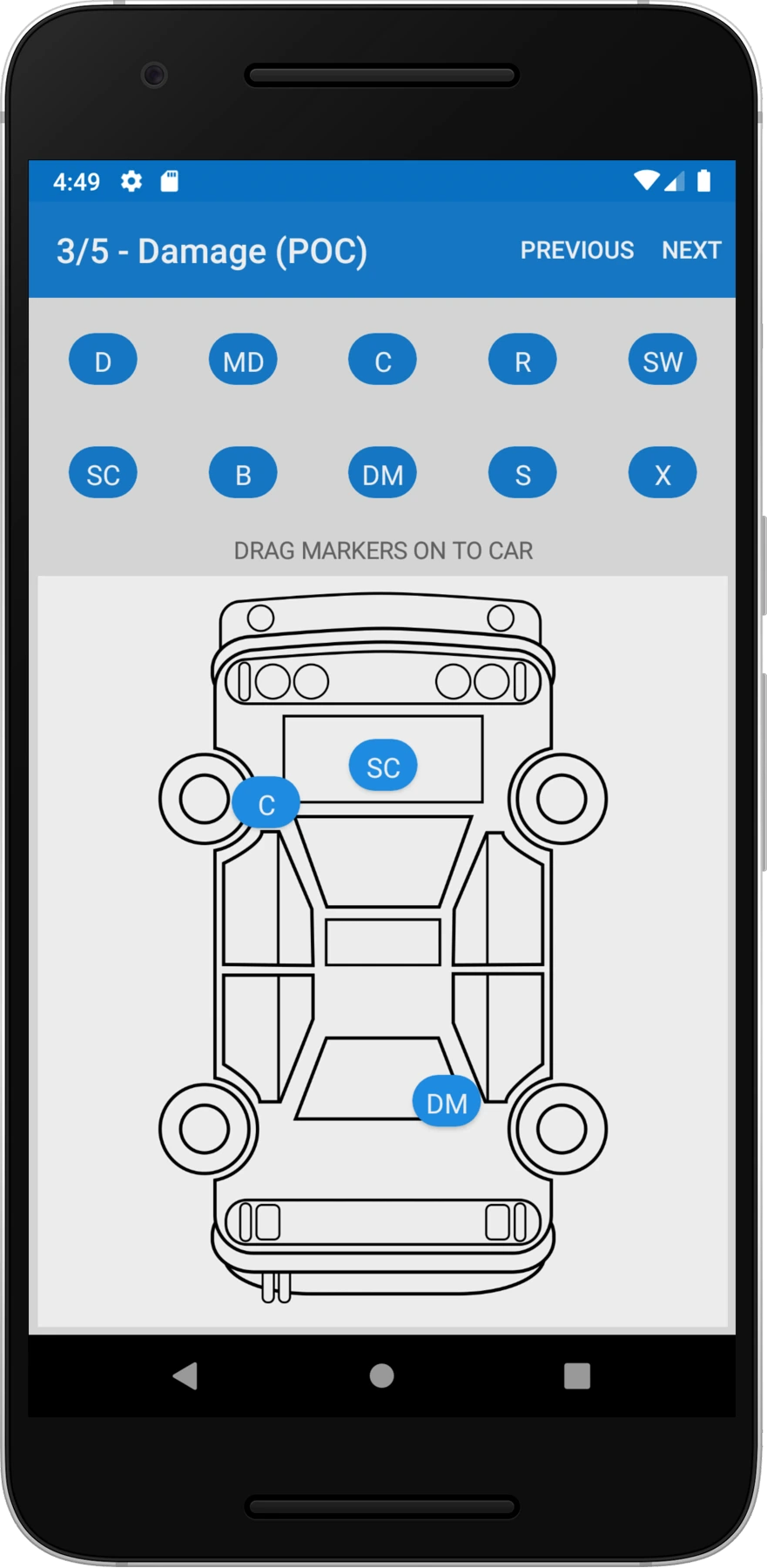
- Condition and damage recording quality
- Time to compile and send a customer-ready report
- Ease of finding historical job evidence
- Team consistency across multiple drivers
You should also include at least one low-signal scenario to verify offline behavior if your routes require it.
Common comparison mistakes to avoid
Transport teams often lose time by:
- Prioritizing broad feature counts over daily usability
- Skipping cross-driver consistency checks
- Ignoring post-job admin burden
- Not validating retrieval speed under customer pressure
Avoiding these mistakes usually leads to better long-term fit and faster return on adoption effort.
Pocpod in comparison context
Pocpod is built for vehicle transport operations that need reliable proof quality and repeatable delivery workflow.
In practical comparisons, Pocpod is often selected for:
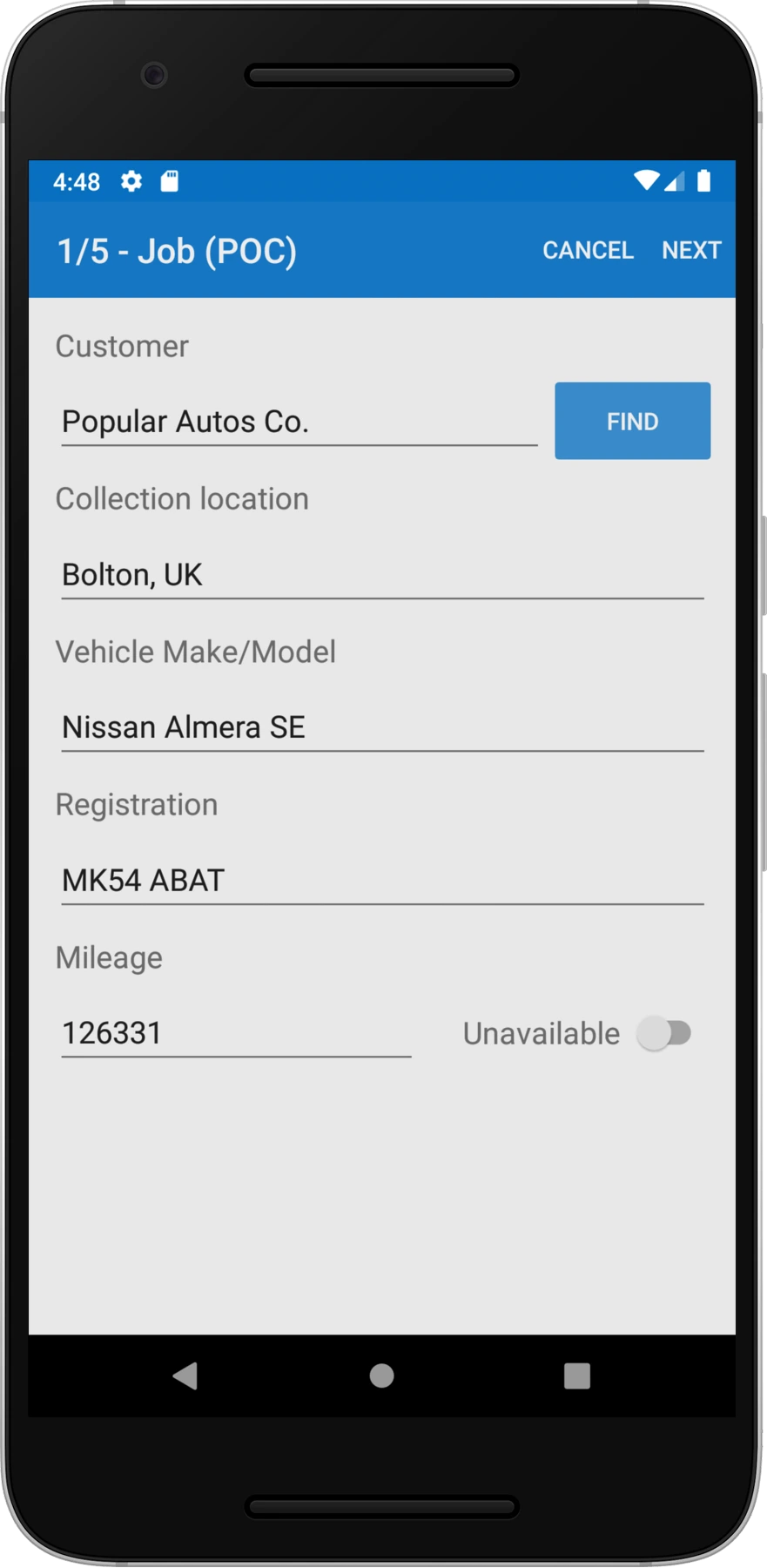
- Structured in-app signatures and photo capture
- Photos linked to individual damage records
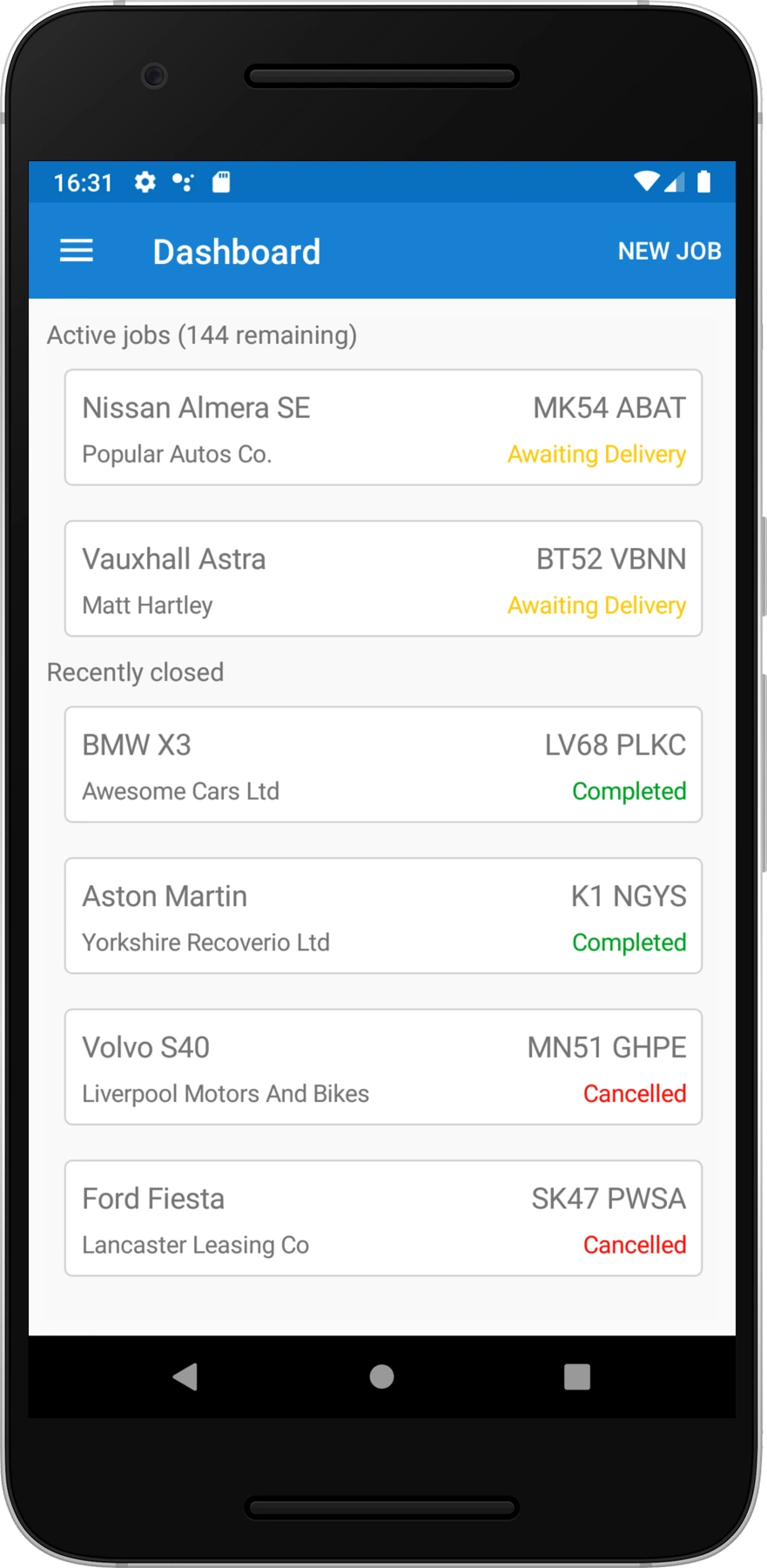
- Searchable job history for faster follow-up
- Faster report workflows for customer communication
- Consistent process for growing teams
If those are your highest-priority criteria, Pocpod is usually a strong candidate to include in final testing.
How to make the final choice
Use a weighted scorecard and include stakeholders from operations, driver management, and customer-facing admin. Choose the platform with the strongest fit against your weighted outcomes, not the one with the loudest claims.
A clear framework helps you avoid re-platforming later due to poor workflow match.
Why Pocpod is often the fastest first trial
With many solutions, practical testing starts only after a demo cycle or consultation process.
Pocpod is often trialled first because:
- Pricing is transparent
- Teams can start immediately
- Operators can test real workflow quickly, including proof, damage capture, and reporting
That gives teams usable fit evidence quickly, before investing additional time in longer vendor processes.
Next pages to review: best ePOD software UK, Pocpod vs Podfather, and delivery management app.